
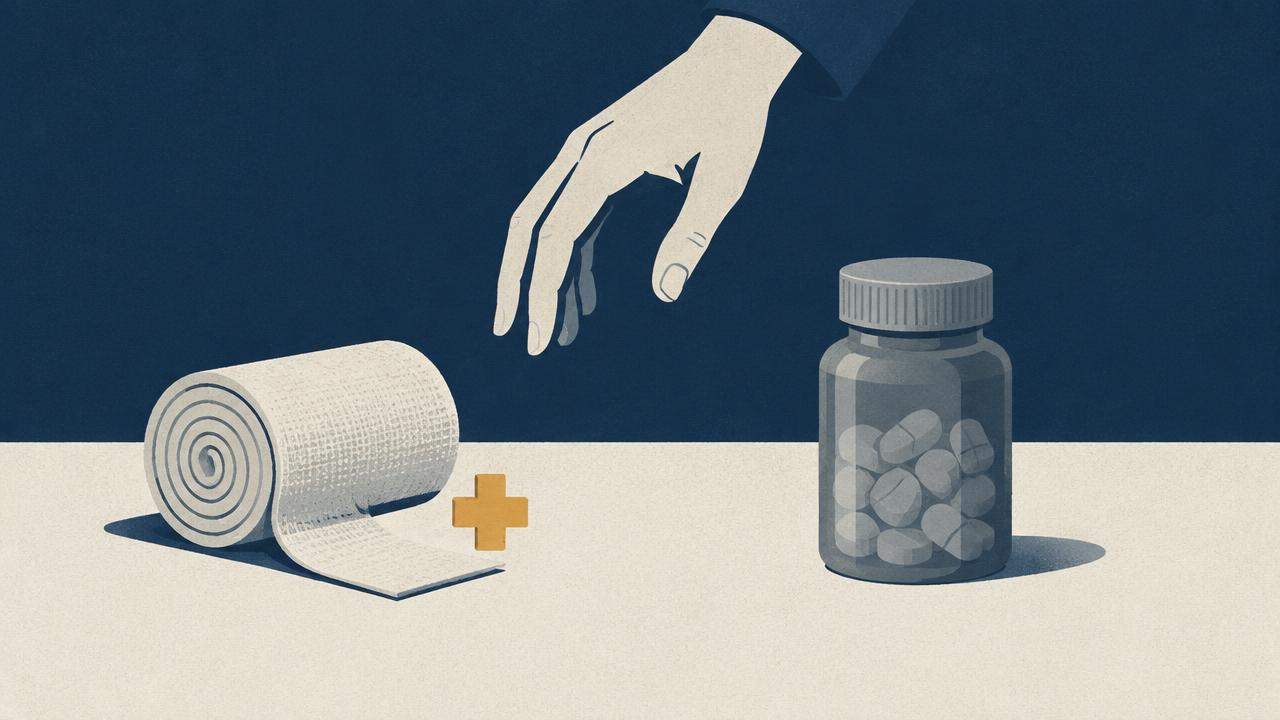
Is Your Idea a Painkiller or a Vitamin? Why the Difference Decides Everything
Evaluating IdeasSeptember 22, 2026
The Charlie Page Letter
26 years of experience and common sense delivered to your inbox.
A painkiller removes something people are already suffering from. A vitamin makes a good life slightly better. The market pays for painkillers promptly and considers vitamins later, which is why the question matters more than any feature on your roadmap.
I've built both, and the difference in effort was embarrassing. The painkiller sold with a plain sentence and no discount. The vitamin needed a story, a demonstration, a guarantee, a launch, and a follow-up sequence, and still only sold to people who already liked me.
The distinction isn't about how good the product is. Plenty of vitamins are excellent and plenty of painkillers are crude. It's about what happens to the buyer if they don't buy, and whether that something is bad enough that they'd pay to stop it.
What's the real difference between the two?
Timing of the suffering. A painkiller addresses pain that is happening now, to a person who knows about it. A vitamin addresses a future state that the buyer has not yet decided to care about, which means you have to create the concern before you can sell the cure.
The second difference is who notices. With a painkiller, the buyer discovered the problem before you arrived. With a vitamin, you discovered it for them, and everything about the sale gets harder once you're the one introducing the worry.
And the third is price elasticity. People negotiate with vitamins. They pay whatever the painkiller costs, because the alternative is continuing to hurt. That single difference explains why some simple products charge a great deal and some beautiful ones can't give themselves away.
How do I find out which one I built?
Ask what the buyer does today. If the answer is a workaround, a hire, a spreadsheet, or an argument they have every week, you're selling relief. If the answer is nothing at all, you're selling an improvement, and improvements have no deadline.
Then look at how they respond to a price. Painkiller buyers ask about timing and setup. Vitamin buyers ask about value. Neither reaction is a dealbreaker, but the second one means you're going to spend a lot of energy persuading people who have no reason to hurry.
The cleanest test: what happens to them if they never buy? Write the answer honestly. "They keep paying a contractor eight hours a month" is a business. "They miss out on a better way of doing things" is a brochure.
Why do vitamins fail so often?
Because they need two sales instead of one: first the concern, then the product. Most founders only budget for the second one. They build a beautiful thing, explain the features, and never notice that nobody in the room is worried about the thing being solved.
They also have no urgency, and urgency is what turns interest into payment. A buyer who agrees with you but has no pain will always find a reason to start next month, and next month never arrives.
And vitamin buyers churn. The moment attention moves elsewhere, the subscription looks optional, because it always was. Painkiller customers don't cancel, because the pain comes back the day they do.
Can a vitamin be turned into a painkiller?
Usually yes, by moving it closer to a consequence. Not "improve your writing" but "fix the proposal that loses you the client". The closer you attach the offer to something the buyer already fears, the more it behaves like relief.
You can also change the customer rather than the product. The same tool that's a vitamin for a hobbyist is a painkiller for someone whose income depends on it. Very often the vitamin diagnosis is really a wrong-audience diagnosis.
Or change the trigger. A product that sits idle is optional; a product that arrives at the moment of the problem is a rescue. Same features, different timing, completely different sales conversation.
Are painkillers always the better business?
No. Real painkillers attract competition, because the money is visible, and they often come with expectations you have to meet at two in the morning. Some of the most miserable founders I know sell genuinely essential things.
The advantage is simpler than that: a painkiller proves demand exists before you spend, which means your risk moves from "does anyone care" to "can I deliver". That's a much better class of problem to have.
If you're attached to a vitamin, be honest about the cost. You'll need a brand, an audience, and a long runway. Some people are built for that and enjoy it. Most founders who discover it mid-launch call it a marketing problem.
How do I test this before building?
Describe the offer as relief and as improvement, to the same person, in that order. Watch which description makes them lean in. People are not subtle about this, and the difference takes about ten seconds to notice.
Then ask what they'd lose if they did nothing for six months. A specific answer means pain. A vague one means you're proposing a lifestyle upgrade, and you should decide whether that's the business you want to run.
Finally, put the whole thing through something unsentimental. A free pressure test will score whether your offer relieves a real problem or merely improves a life, and tell you which weakness would sink the idea first. Track the revised version in My Tests.
The question isn't whether your idea is good. It's whether the person in front of you is in pain right now, and whether they'd pay to stop it today.
If you're not sure which one you've built, pressure test your idea free and see how the offer scores. Then read is this a business or a hobby for the next question most founders skip.
Frequently asked questions
The Charlie Page Letter
26 years of experience and common sense delivered to your inbox.