
Pre-Selling: How to Get Paid Before You Build Anything
Putting Ideas Into PracticeSeptember 19, 2026
Get one honest marketing lesson a week
One short email. What actually works, what wastes your money, and why. No hype, unsubscribe anytime.
Charlie Page, Common Sense Digital Marketing, 1511 South Texas Ave Ste 326, College Station, TX 77840
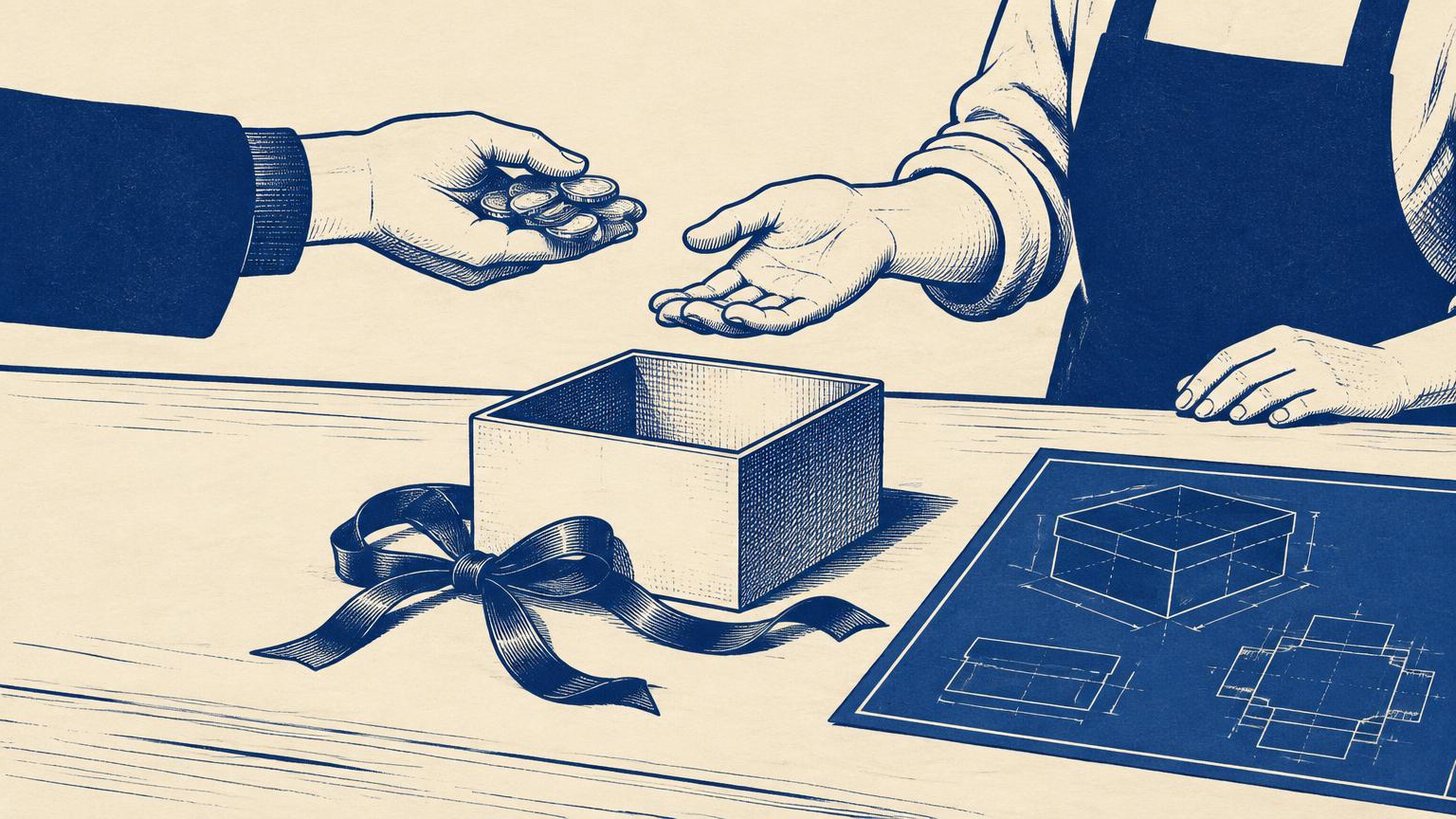
Pre-selling means taking orders and payment for a product before it exists, with a clear delivery date and a full refund if you don't deliver. It's the most honest test of a business idea because it asks for the one thing people won't give out of politeness: money.
The first time I pre-sold something, I was terrified. It felt like I was asking people to trust me with nothing to show. Then twelve people paid, and I realized I'd learned more in a week than in the previous three months of planning.
Pre-selling isn't a trick. Done right, it's a promise you keep. This post explains how to pre-sell before you build, what to say, and how to protect your buyers.
Why is pre-selling the best validation test?
Because it measures behavior, not opinion. Anyone can say they'd buy something. Paying is different. When a stranger hands over money for a product that doesn't exist yet, that's real demand.
Pre-selling also tests your message, price, and channel at the same time. If people pay, all three are working well enough. If they don't, you have a clear starting point for figuring out which piece is off.
And it funds the work. Early payments can cover the cost of building, which means less risk and less need to spend your own money on something unproven.
Is pre-selling ethical?
Yes, when you're honest. Tell buyers clearly that the product isn't finished, when it will be delivered, and what happens if you can't deliver. A full refund promise is essential.
Crowdfunding platforms have normalized this for years. Buyers back products that don't exist yet because they want to support them and get early access. Your pre-sale is the same idea on a smaller scale.
The unethical version is promising more than you can deliver or hiding the fact that the product isn't built. Avoid both, and pre-selling becomes a fair trade between you and your earliest supporters.
What should your pre-sale offer include?
A clear description of the result the buyer will get, not a list of features. People pay for outcomes. Tell them what changes in their life or business once they have it.
A specific price and a delivery date. Vague timelines erode trust. If you're not sure, give a conservative date and beat it.
A reason to buy now. Founding-customer pricing, extra support, or input on the final product all reward early buyers for their trust. Make it real and make it limited.
Where do you find pre-sale buyers?
Start with the people you've already talked to about the problem. If you've done customer conversations, those prospects are your warmest leads. Go back and tell them what you're building.
Then go to the communities where your customers gather. Share the problem you're solving and invite people to join as founding customers. Be helpful first and transparent always.
Direct outreach works well here too. A personal message explaining the offer and price, sent to people who clearly have the problem, often converts better than any public post.
What if nobody pre-orders?
Then you've learned something valuable for almost no cost. Most founders find this out after months of building. You found out in a week or two.
Look at what went wrong. Did people understand the offer? Did the price feel off? Were you reaching the right people? Talk to a few who said no and ask honestly why.
Revise and try again. Change one thing at a time so you know what made the difference. If several rounds still produce no buyers, the idea may need a bigger rethink.
How do you deliver on a pre-sale?
Build the smallest version that keeps your promise. Your pre-sale buyers paid for a result, not for every feature you imagined. Deliver the core, then improve it with their feedback.
Communicate often. Send updates on progress, even short ones. Silence makes buyers nervous. Regular updates make them feel like insiders.
If something goes wrong and you can't deliver, refund quickly and without argument. Your reputation is worth far more than any one product.
Pre-selling turns your idea from a hope into a test with a clear answer. Either strangers pay or they don't. Both outcomes are worth far more than another month of guessing.
Before you write your pre-sale offer, pressure test your idea free to tighten the weak spots. Read how to price a new product, and track each revision in My Tests.
Frequently asked questions
Get one honest marketing lesson a week
One short email. What actually works, what wastes your money, and why. No hype, unsubscribe anytime.
Charlie Page, Common Sense Digital Marketing, 1511 South Texas Ave Ste 326, College Station, TX 77840